You have finally booked time for a tight neck and shoulders. Halfway through the session, you notice you are holding your breath. Should you tolerate more pressure to get a better result? Pain intensity is not a measure of benefit, and enduring discomfort is not a requirement for tuina. Clear feedback and an appropriate health assessment matter more than a heavier technique.
Assessment includes listening to your response
Tuina may be explained through traditional Chinese medicine concepts such as meridians, qi and blood. These are traditional frameworks, not proof that a painful spot is blocked or that bruising releases toxins. Sensitivity, recent injuries, activity and medicines differ between people. Pressure needs to be discussed and adjusted.
When considering tuina massage in Richmond, ask how you can request lighter pressure, change position or stop. Agreeing on that before the session makes it easier to speak up.
What to mention before starting
- Recent falls, strains, surgery or new pain that is still being investigated.
- Easy bruising, a bleeding condition or medicines that affect clotting.
- Pregnancy or possible pregnancy, osteoporosis, or broken or irritated skin.
- Areas you do not want touched and pressure that has felt uncomfortable before.
These details inform assessment; they do not mean everyone with a listed condition must avoid massage. Do not stop prescribed medicines to prepare for an appointment. Discuss any medicine changes with your prescriber or pharmacist.
Three useful phrases during a session
- “That is too much pressure. Please make it lighter.”
- “This feels sharp, rather than like the pressure I felt earlier.”
- “Please stop for a moment. I would like to change position or leave that area alone.”
You do not need to wait until the end or justify a request to pause. Being able to breathe normally and describe what you feel is more useful than pushing through. “I can tolerate it” is not a reason to keep increasing pressure.
When discomfort needs a different response
Report sharp pain, numbness, dizziness or clearly worsening discomfort immediately and pause. Worsening pain, significant swelling, new weakness or altered sensation after a session warrants medical assessment. Sudden chest pain, difficulty breathing or one-sided weakness requires emergency help.
The US National Center for Complementary and Integrative Health describes massage as generally low risk, while noting rare serious injuries, including reports involving vigorous massage or people at higher risk. Stronger pressure is therefore not a useful safety rule.
Observe function, not how much pressure you endured
Afterwards, note how ordinary activities feel, whether your original symptoms have changed and whether anything new has appeared. That record can support a follow-up conversation or show that an assessment is needed.
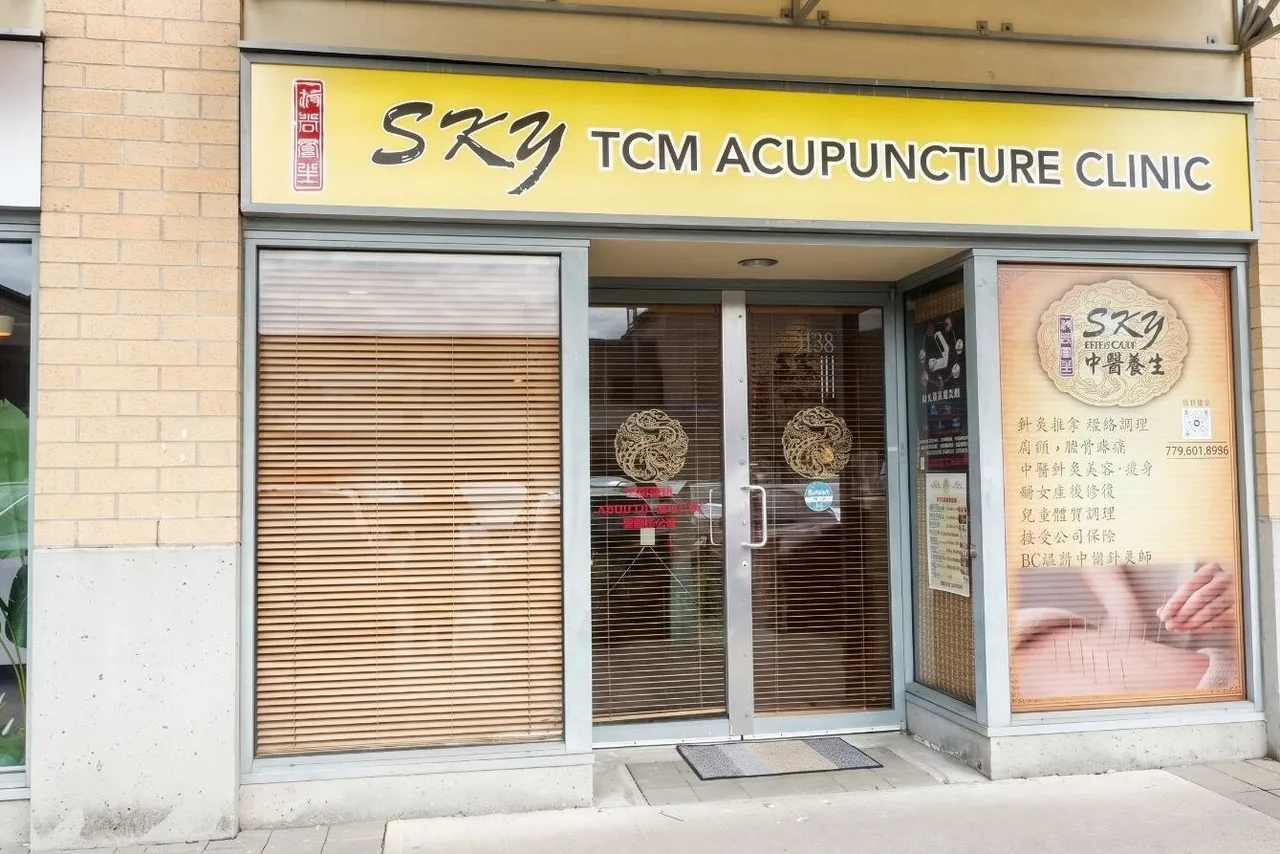
SkyTCM is at Continental Centre in Richmond. Ask about assessment and share your health history, medicines and boundaries when arranging a visit. No particular pressure, technique or number of visits guarantees an outcome.
The reused image is illustrative and does not document a patient or treatment outcome.