A rainy Richmond lunch hour can quietly remove the only walk you had planned. Meetings run together, and “I will move after this task” becomes half a day at the desk. Movement does not always need a large free slot. Attaching a short break to something already in your day can make it easier to repeat.
Vary the routine before chasing a perfect posture
A suitable chair, desk and screen arrangement matters, but there is no single posture everyone should hold indefinitely. The Canadian Centre for Occupational Health and Safety recommends breaks, varied tasks and opportunities to change position. A sit-stand desk is not a reason to stand still all day either.
TCM lifestyle discussions sometimes describe balancing activity and rest. In a workday, that can be a useful way to think about your routine. It is not a diagnosis for tight shoulders or evidence that a few movements will resolve pain.
Try three natural stopping points
- After a meeting: leave the screen, get water or take a short walk in a safe indoor area.
- Between tasks: change position when moving from keyboard work to a call. Stand if practical, without walking while looking at your phone.
- After lunch: reserve a manageable movement window, with an indoor option for heavy rain.
These are practical examples, not an exercise prescription. If your role limits breaks, discuss task rotation or workstation adjustments with your supervisor. People with mobility restrictions can ask a professional familiar with their needs about suitable position changes.
Movement should not become a stretching contest
Walking comfortably, resting your hands from the mouse and looking away from the screen can interrupt a fixed task. Avoid sudden forceful neck movements or stretching into pain or numbness. Stop a movement that feels wrong, and follow your individual rehabilitation advice if you have an injury.
Choose one routine you can repeat
Start with one cue, such as getting water after a meeting. Try it for a few days before adding more. A reminder should make the habit easier, not become another performance target.
Also check whether your laptop is too low, the mouse is out of easy reach or all your screen work is arranged without breaks. Movement and the work environment belong in the same conversation. An occasional massage does not replace changes to a demanding daily routine.
When to seek assessment
Persistent or worsening neck or back discomfort, interrupted sleep, new numbness, weakness or reduced function warrants assessment. Sudden chest pain, breathing difficulty or one-sided weakness requires emergency help.
When discussing tuina or acupuncture at SkyTCM in Richmond, describe your work pattern, when symptoms appear and what you have already tried. Everyday movement, a suitable work environment and individual assessment each have a role.
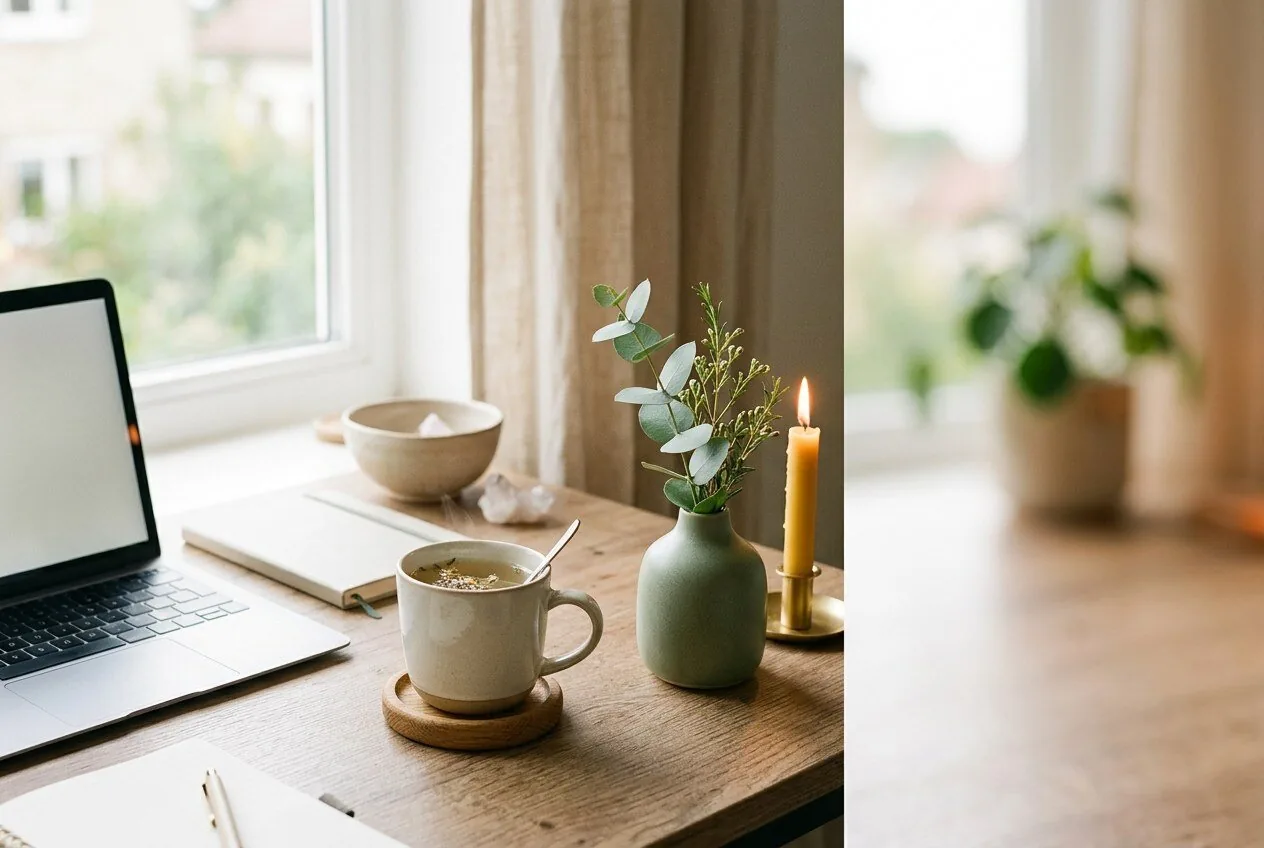
The reused image is illustrative and does not document a patient or treatment outcome.