
Notice what happens across two or three commutes
Think about when stiffness starts: waiting at the stop, looking at a phone, or walking with a bag. When you get indoors, does putting the bag down, changing position or walking briefly affect it? Note the timing, the area and what changes. Cold weather and symptoms can coincide without identifying a cause.
Try one change you can repeat
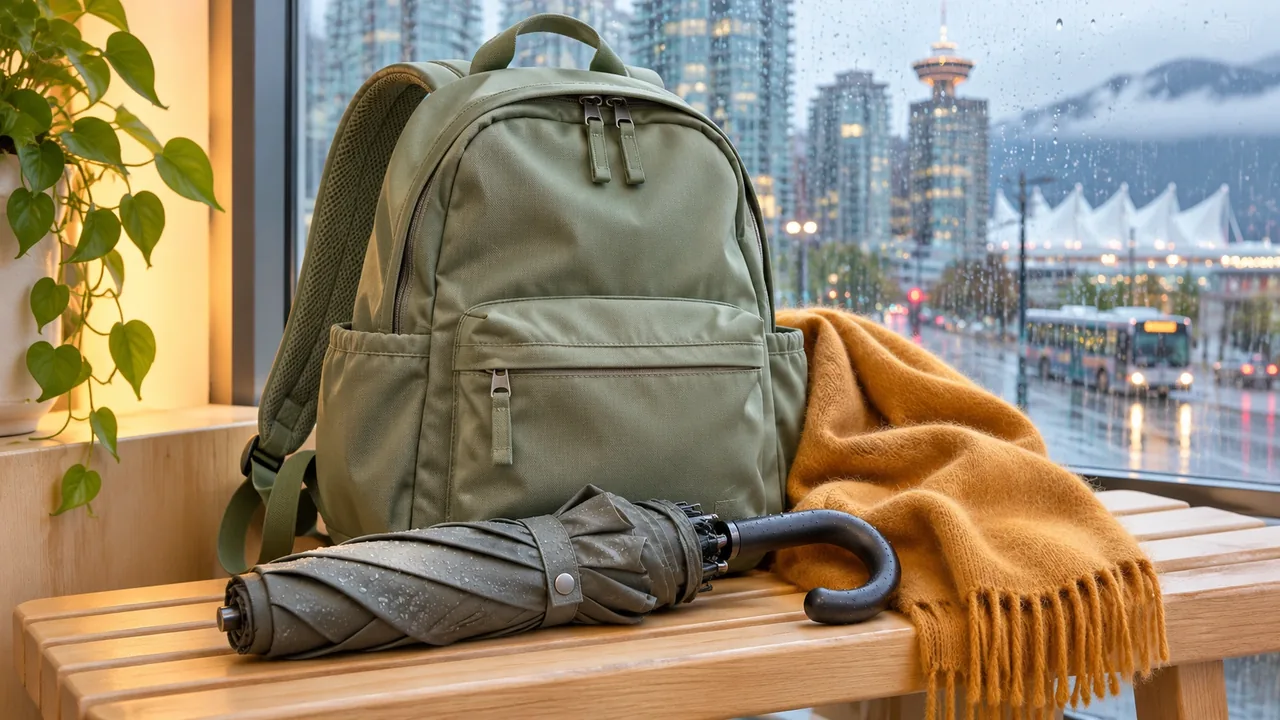
Reduce the weight you carry on one shoulder, or try using both straps of your backpack. Switch hands or look up periodically when carrying an umbrella or reading a phone. If the sidewalks are slippery, consider walking in a hallway or mall. Keep movements comfortable and avoid forced stretches or forceful neck turns.
Use those notes in your first conversation
Describe which side is affected, what direction of movement is uncomfortable and whether the feeling travels down your arm. Mention recent falls or injuries and medicines you take. Read about a Richmond acupuncture visit or communicating pressure during tuina. An individual assessment can help determine which options to discuss.
Know when medical assessment comes first
Call 9-1-1 for signs of a spinal injury after a fall or impact, such as severe neck or back pain, weakness or difficulty moving. Call 9-1-1 if neck pain comes with chest pain and shortness of breath. Seek prompt medical care for new or worsening numbness or weakness. If symptoms keep returning or limit daily activity, talk to a health professional or call 8-1-1 in BC for guidance.
General health information. The image is illustrative.